How do I prioritize my health this year?
Let’s address this question by sharing a scenario we MDs frequently encounter when supporting midlife women:
A distraught woman comes to see us for underlying health issues. She explains that, despite resolutions to prioritize health, efforts to improve nutrition and even investments in a new fitness regime, she feels worse off than the previous year.
Why is this so?
One common culprit behind the struggle to sustain our health is explored in a recent research paper* looking at barriers to health goals. The research identified three key barriers preventing menopausal women from achieving health goals:
- Menopausal symptoms
- Lack of knowledge
- Insufficient social support
*"Socioecological Factors Influencing Physical Activity Engagement for Women Across the Menopausal Transition: A Systematic Review." Menopause: The Journal of The North American Menopause Society, vol. 31, no. 5, May 2024, pp. 433-446.

Your 2025 health tip from our in-house naturopath

Dr. Castleman’s top health tip for 2025: Meet your daily fibre intake
Do you know if you are getting enough fibre?
Essential for overall health, fibre helps:
- Regulate blood sugar levels which lowers the risk of type 2 diabetes
- Support healthy blood pressure
- Reduce cholesterol
- Promote regular digestion
- Enhance feelings of fullness, aiding in weight management and reduce overeating.
How much fibre do you need?
Most people only consume approximately half the fibre they need.
The majority of women require a minimum of 25g of fibre per day.

Which foods have fibre?
Vegetables/fruit, whole grains, legumes like beans, peas and lentils, nuts/seeds.
What is considered a high fibre source?
- Very high source: 6 grams or more
- High source: 4 grams or more
- Low source: 2 grams or more
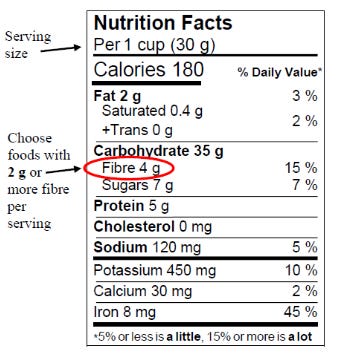
When grocery shopping, compare food labels. Aim for options with 4–6+ grams of fibre per serving to significantly contribute to your daily fibre needs.
Tips to help you eat more fibre
- Add 2 tbsp of ground flaxseeds to yogurt and/or smoothies
- Aim for two servings of fruit daily
- Eat the skin or peels of vegetables and fruit when possible
- Use extra vegetables in casseroles, soups, stir-fries, pasta sauces
- Use higher fibre flours such as whole grain wheat, oat, or barley flour
- Add beans, chickpeas, and/or lentils to soups, casseroles, salads, pasta sauce
- Add a small salad or vegetable soup to your lunch or dinner meal.
To prevent gas and bloating, spread higher fibre foods out through the day and drink more fluid.
