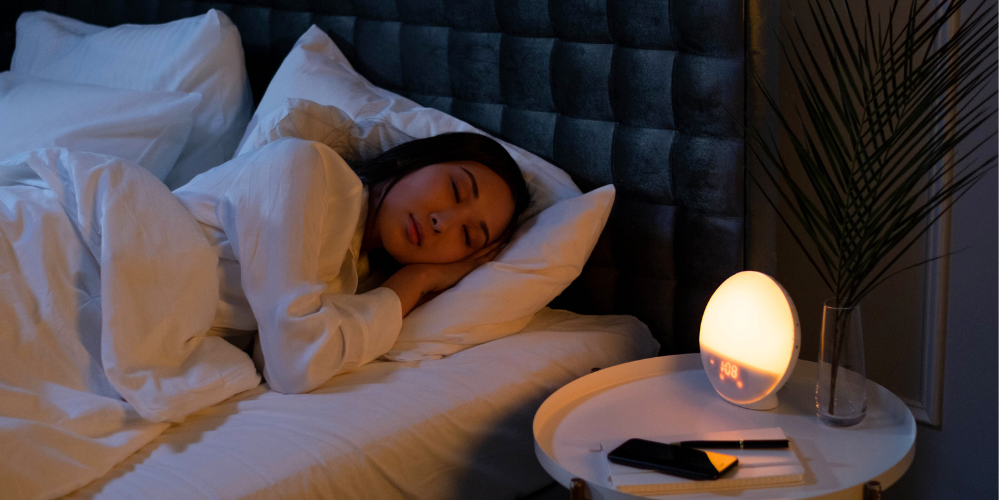
“Sleep. Rest. Recharge.”
While this advice comes from a good place, it can also feel like yet another should on our ever growing to-do list.
We know that sleep is important — what we may not know is how to improve our sleep and what to do if it’s not getting better.
Our very own Lume sleep specialist, Dr. Woganee Filate, is here to help.
A passionate respirologist and sleep medicine physician, Dr. Woganee can get just about anyone excited about the life-changing power of good sleep - especially when it comes to sleep changes through midlife

In this article, Dr. Woganee empowers us to:
1. Understand why sleep gets harder in midlife
2. Identify when to see a doctor for your sleep
3. Improve your sleep with top tips
Best habits for better sleep
Why does sleep become hard at midlife?
If you’re in or approaching midlife and struggling with sleep, rest assured that you’re not alone. Issues with sleep are prevalent in midlife: 40-60% of women report sleep difficulties.1
Many things are changing all at once during this life stage which can disturb our sleep.
Some of these changes include:
- Low Estrogen and REM Sleep: Why the 3 am wake-ups? Estrogen plays a role in REM sleep (a deep stage of sleep). When estrogen levels are low we get less REM sleep and our REM sleep is fragmented.
- Night sweats/hot flashes: Night sweats and hot flashes significantly disrupt the sleep of midlife women, often leading to frequent awakenings, poor sleep quality, and increased daytime fatigue.
- Decreased Melatonin: Melatonin is our main sleep hormone and it decreases as we age, making it harder to fall asleep and stay asleep
- Sleep disorders: Insomnia, obstructive sleep apnea, and restless legs syndrome, to name a few, become more prevalent as we age. See glossary for more.
- Mood changes: Depression, anxiety and overall stress may increase and have an impact on our sleep
Source
1. The data that was presented was from Kravitz et al., “Sleep disturbance during the menopausal transition in a multi-ethnic community sample of women”. Sleep 2008 Jul;31(7):979-90.
Eight Tips for Better Sleep
1. Establish a Consistent Sleep Schedule
Go to bed and wake up at the same time every day, even on weekends, to help regulate your body's internal clock.
2. Create a Relaxing Bedtime Routine
Engage in calming activities before bed, such as reading, taking a warm bath, or deep breathing/meditation to help signal relaxation.
Integrate before-bed supports, like candles, an essential oil diffuser or a scented hand cream you keep bedside for a hand massage. Repetition of these calming rituals can signal to our brain that it’s time for sleep.
3. Optimize Sleep Environment
- Temperature: Cooler temperatures during sleep can improve sleep quality.
- Noise: Reduce noise levels, or use white noise machines or earplugs if needed.
- Lighting: Get your room as dark as possible with blackout blinds or an eye mask.
- Comfort: Ensure your mattress and pillows are comfortable and supportive.
4. Manage Stress and Anxiety
Practice stress-reducing techniques such as mindfulness, yoga, or journaling. If anxiety or stress is significant consider speaking with a mental health professional.
5. Be Mindful of your Diet
- Caffeine and Alcohol: Limit caffeine intake, especially in the afternoon and evening. Alcohol may initially get you sleepy, but will disrupt your sleep later on.
- Heavy Meals: Avoid large meals and spicy foods close to bedtime, as they can cause discomfort and indigestion, making it harder to sleep.
- Stay Physically Active: Regular physical activity can help you fall asleep faster and enjoy deeper sleep. Note: Vigorous exercise close to bedtime may impede sleep.
6. Limit Naps
If needed, keep naps short (20-30 minutes) and avoid napping late in the day.
7. Be Mindful of Screen Time
Reduce exposure to screens (phones, tablets, computers) at least one hour before bed, as the blue light emitted can interfere with the production of melatonin, the hormone that regulates sleep.
8. Track Your Sleep
Keeping a sleep diary can help identify patterns or behaviours that are affecting your sleep. This can also be helpful information to share with a healthcare provider.
When to see a doctor for your sleep:
- If sleep disturbances continue despite getting hot flashes/night sweats treated
- If insomnia persists (despite improved sleep hygiene) and it affects daily functioning
- If you are struggling to stay awake during daily routine activities
- If you have been told that you are snoring, or that you stop breathing at night
- If sleep issues are significantly impacting your day-to-day functioning and/or mood
Will supplements help me with sleep?
This top FAQ is also the least definitive one to answer. There is little robust evidence to support the use of over the counter supplements, most commonly melatonin and magnesium, as sleep aids. However, if you find these supplements helpful and you’re not experiencing side effects, then you can consider continuing.
Glossary
Insomnia
A common sleep disorder defined as difficulty initiating and/or maintaining sleep or early morning awakening. Key to the definition of the disorder is that it leads to daytime impairment such as fatigue, difficulty concentrating, changes in mood. It can either be acute or chronic. Chronic insomnia means that someone has symptoms at least three times per week for a minimum of three months.
Obstructive sleep apnea
A sleep disorder where the airway becomes partially or completely blocked during sleep, causing repeated pauses in breathing. These pauses can lead to fragmented sleep and lower oxygen levels, resulting in symptoms like loud snoring, gasping for air during sleep, daytime fatigue, and difficulty concentrating.
Restless legs syndrome
A syndrome characterized by an uncontrollable urge to move the legs, often accompanied by uncomfortable sensations such as tingling, itching, or aching. These symptoms typically worsen during periods of rest or inactivity, especially in the evening or at night and are relieved with movement.
